Is a PhD in Global Leadership Worth It in 2026?
If you’ve been researching leadership doctorates, you will come across the phrase “PhD in organizational leadership.” It appears frequently in program descriptions and search results.
At Pepperdine, the degree is PhD in Global Leadership and Change. The distinction reflects how leadership looks today. Challenges are not limited to within a single organization. Leadership often requires navigating across teams, cultures, and systems on a global scale that may not be interconnected and could be unpredictable.
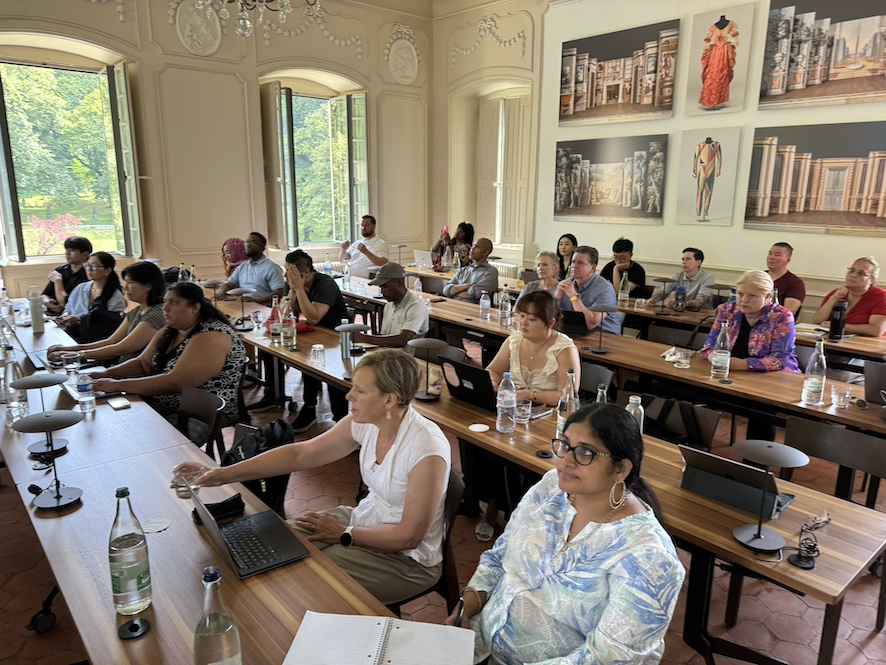
As part of the program, students participate in an international trip where they see leadership in a different cultural and organizational context. This experience brings a level of perspective that cannot be developed through coursework alone.
Many who begin considering a doctoral program are already in leadership roles. They have managed people, led initiatives, and worked through difficult situations. Over time, that experience leads to a place where a doctoral program becomes the next step in their careers.
What Does This Type of Doctoral Program Involve?
The PhD in Global Leadership and Change has students engage with leadership theory, organizational behavior, and research methodology. Early stages of the program emphasize understanding how leadership has been studied and interpreted. As the work progresses, students begin to question existing frameworks and develop their own lines of inquiry.
Research is a large component of the doctoral program. Students are expected to identify a meaningful problem, examine it carefully, and contribute insight through structured inquiry.
People are already working across diverse environments, whether across regions, cultures, or institutional contexts. The PhD program reflects this and incorporates it into the academic field.
Is It Worth It?
Yes. There are tangible positive outcomes associated with this doctoral degree. Graduates may move into teaching, consulting, or expanded leadership responsibilities. This degree provides access to opportunities that were previously out of reach.
Many professionals reach a point where they are looking for a deeper understanding of leadership. They want to examine how decisions are shaped, how organizations respond under pressure, and why certain approaches succeed in one context and fall short in another.
This level of inquiry influences how individuals lead. It shapes how situations are assessed, how people are engaged, and how decisions are made in complex environments.
In a time when leadership increasingly involves navigating uncertainty and competing priorities, this depth of understanding becomes especially valuable.
The Role of the Dissertation
The dissertation is a defining component of the doctoral program.
Students are responsible for identifying a research question that warrants sustained attention. Establishing this direction requires careful thought and clarity of purpose. It involves extensive reading, ongoing writing, and continuous refinement of ideas. Many students choose to ground their research in challenges they have encountered in their professional settings. This connection allows the work to remain relevant and applicable.
At Pepperdine, the expectation is that the dissertation contributes meaningful insight. The goal is to produce work that informs practice and reflects a high level of thought and rigor.
Designed for Working Professionals
Many prospective students pursuing a PhD need to determine how doctoral study fits within an established career.
Pepperdine’s PhD in Global Leadership and Change is a hybrid program designed for professionals who are seasoned in their work. Students are not expected to continue leading in their professional roles and responsibilities while pursuing their degree.
This structure creates a direct connection between study and practice. Concepts explored in coursework often relate to current professional challenges. Research questions may emerge from situations students are already navigating. This integration makes the PhD program both practical and relevant.
The Value of the Learning Community
The composition of the cohort plays a significant role in shaping the doctoral experience.
Students bring a range of professional backgrounds and perspectives. This diversity enriches discussion and broadens understanding. Leadership is examined through multiple lenses rather than a single point of view.
Faculty mentorship is another important element. As students progress, they work closely with faculty members, particularly during the research process. These relationships support intellectual growth and often extend beyond the duration of the program.
For many graduates, the professional and academic network developed during the program remains a lasting benefit.
Beyond the Degree
A doctoral degree in leadership does not lead to a single defined outcome. What endures is a strengthened ability to navigate complexity. Graduates develop greater skill in evaluating information, questioning assumptions, and communicating ideas with clarity.
These capabilities apply across roles and industries. Some graduates pursue new opportunities. Others continue in their current roles with a more refined approach to leadership. This is often where the long-term value becomes most evident.
A Broader Approach to Leadership Study
For those considering a PhD in organizational leadership, Pepperdine’s PhD in Global Leadership and Change offers an expanded perspective.
The program reflects the understanding that leadership is shaped by more than organizational structure. It is influenced by cultural context, human behavior, and the systems within which decisions are made.
Pepperdine’s approach is grounded in a commitment to purpose, service, and leadership. These values are guiding principles that inform inside and outside the classroom.
There are many facets to consider when pursuing a PhD program. Pepperdine provides the coursework that shapes the way you think, the way you lead, and the kind of contribution you are prepared to make over time.